Table of Content
On the ground floor of the new greenhouse, a huge distribution center brings together nearly 2,000 grocery products for offer to "Lufavores," including restaurants. At Lufa, about 100 varieties of vegetables and herbs are grown year-round in hydroponic containers lined with coconut coir and fed liquid nutrients, including lettuce, cucumbers, zucchini, bok choy, celery and sprouts. “You know, every time we talk to someone about it, we feel like it’s the ’80s, and we’re holding a big solar panel trying to convince the room that this is the future,” Hage says.

Sewing that I've been a member for over a year now and have never been disappointed with the service or quality of their products. Seeds are existing initiatives which hold potential to shape the future. They can be social initiatives, new technologies, economic tools, or social-ecological projects, or organisations, movements or new ways of acting that have that appear to be making a substantial contribution towards creating a future that is just, prosperous, and sustainable. Don’t hesitate to email our team at and we’ll answer as soon as we can.
A brief history of Lufa Farms
This is your go to start customizing your basket with rooftop-grown, picked-to-order veggies and thousands of products from our hundreds of partners, like eggs, dairy, pasta, bread, meats, vegan alternatives, and more. You’ve got three full days to do so, until midnight the eve of your delivery day. And, everything on our Marketplace is fresh, local, and responsibly produced. With a biochemistry degree from McGill University, Lauren serves as Greenhouse Director, where she oversees all farming and plant science activities for the company's rooftop greenhouses. She took on the challenge of developing Lufa Farms’ sustainable farming practices, growing food commercially in a polyculture setting using no synthetic pesticides. She’s also responsible for the Communications Department and safekeeping of the Lufa Farms vision, mission, and voice.
With three rooftop greenhouses in the Montreal area, the company currently has 138,000 square feet of growing space where dozens of types of vegetables are grown. The company currently delivers around 20,000 baskets every week to over 500 pick-up points across Quebec, and in 2020, upon completion of their fourth greenhouse, the 164,000-square-foot space will enable them to feed up to 2% of Montreal households. This also means developing the expertise and technology to make this type of agriculture efficient, data-driven, and scalable. In doing so, they’re trying to demonstrate that large urban and peri-urban rooftop farms are a commercially viable way to feed cities.
Fresh, local, responsible food systems in times of disruption
Our vision is to create a better food system, encompassing our rooftop farms and local agriculture in all shapes and sizes. It’s all happening on the Marketplace, our online farmer’s market, where you can find our sustainably-grown rooftop veggies and hundreds of local products from partner farms and foodmakers. Sign up, and you’ll join the ranks of those eating fresh, local, responsible.
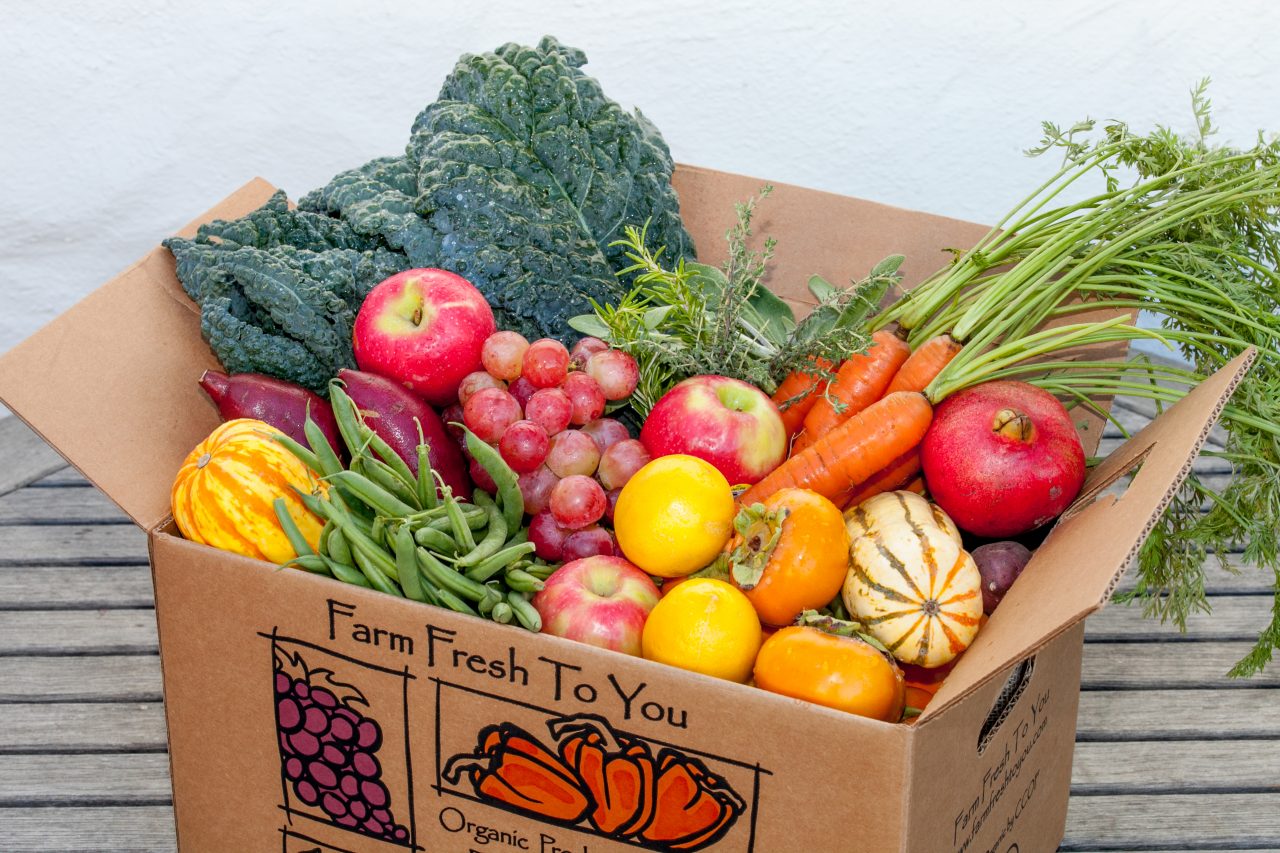
The company achieves this by growing more food, closer to where people live, while using less space and resources to minimize environmental impacts, and remaining completely transparent. Lufa Farms is an urban agricultural company located in the Ville Saint-Laurent neighbourhood of Montreal, Quebec. The company states its mission on its website is to grow food where people live and grow it more sustainably.
Social Media
The Company is primarily looking for elements deemed critical to the renewable energy and high technology industries. Agritecture is an advisory services and technology firm focused on climate-smart agriculture, particularly urban and controlled environment agriculture. "What's a little crazy," he recalls, is that none of the founders "had grown a tomato in their life" before opening the business. It is currently working on the electrification of its fleet of delivery trucks and is in the process of exporting its model "to different cities around the world," starting with Canada and the United States, Sorret said. Lufa "more than doubled" its sales during the new coronavirus pandemic, a jump attributable "to contactless delivery from our online site," says Sorret. Fully automated, the new greenhouse also has a water system that collects and reuses rainwater, resulting in savings of "up to 90 percent" compared to a traditional farm.
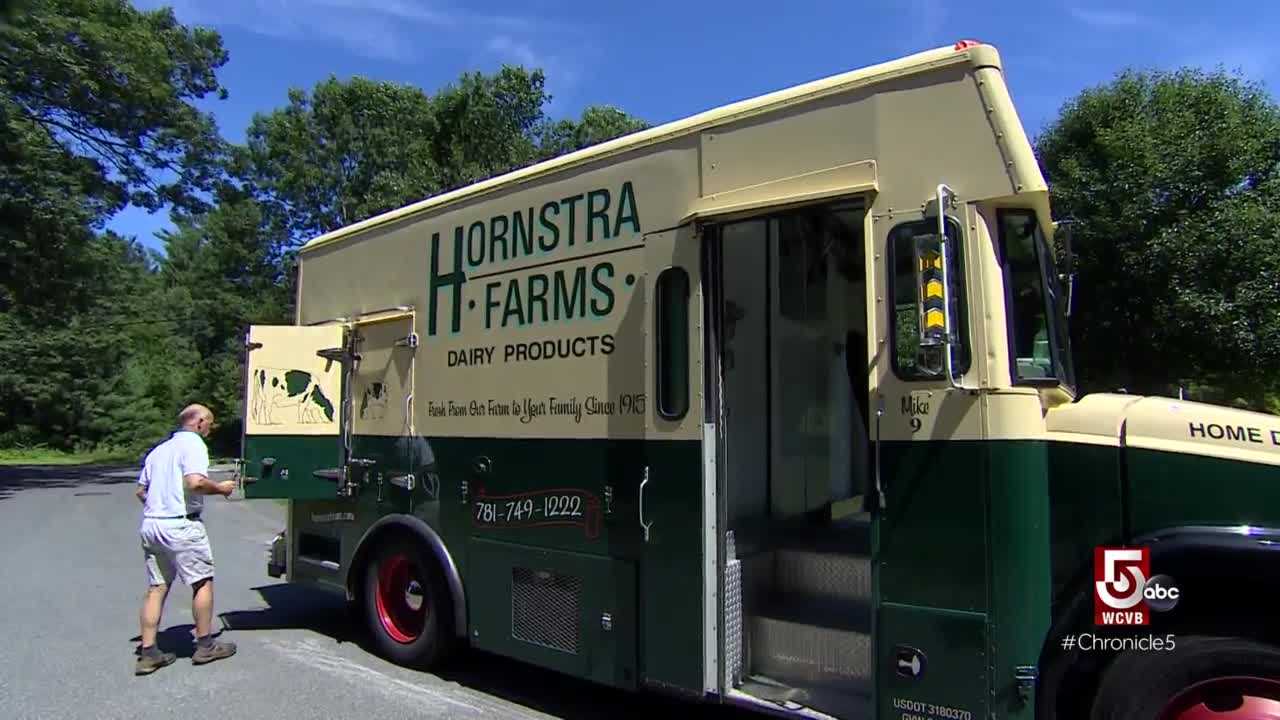
We also launched home delivery by electric car, and the company became cash-flow positive. "We are now able to feed almost two percent of Montreal with our greenhouses and our partner farms," said Sorret. Enough vegetables are harvested each week to feed 20,000 families, with baskets tailored for each at a base price of Can$30. The first, built in 2011 at a cost of more than Can$2 million (US$1.5 million), broke new ground.
A network of pick-up points for delivery across Quebec.
The name "Lufa" refers to a cucumber-like vegetable that Hage fondly remembers growing on the roofs in his native Lebanon — much like the rooftop gardens he and his team have brought to life in Montreal. Lufa Farms built the world’s first commercial rooftop greenhouse in 2010. Leading with tech helped make them nimble and strategic during those hairy early pandemic days, said Hage and Rathmell. After some recalibrations and new developments, their software and processes can now handle more customers, vendors, and processes—critical elements as the company continues to scale its greenhouse operations. In August of 2020, Lufa opened its fourth greenhouse, doubling its square footage. Lufa Farms believes that the current food system is not sustainable and that cities need to transition to a new food production model that’s self-sufficient enough to continue to feed a growing metropolitan population.

They’re planning on a yet to be determined second site in the northeastern pocket of North America, ideally this year. “Our vision is to grow food closer to where people live, and grow it more sustainably,” Rathmell says. Inside VSL (a reference to Ville St-Laurent, the district in which the farm is located); it’s the company’s newest greenhouse, and it sits atop a former Sears warehouse. As for the ubiquitous tote, Bélanger explained that it arose out of necessity. Before Lufa Farms offered delivery, the only options were pickup points, where labelled boxes awaited their Lufavores.
It's up to each partner organization to select which of their community members are most in need each week and allocate resources accordingly. You have until midnight the day before your delivery to suspend your basket, or choose to have it delivered to your door for just $5. If something happens and you can't get your basket once it's been sent out, we suggest sending someone to pick it up for you. Each week you’ll receive a notification letting you know it’s time to customize your order. We’ll have prepped a base basket for you with $30 worth of our seasonal fruit and veggies and from there, you can add or remove whatever you like (for $20 minimum). Once your order is finalized at midnight before your delivery day, our team gets to work prepping everything overnight.
Your order is then delivered to your selected pick-up point, or right to your door for just $5. As the world responded to COVID-19, local food systems proved resilient and essential. That idea, of developing more vertically integrated food systems, is a passion of Hage’s—not only for the idea of cutting out production and transformation middlemen to improve profit margins, but also to improve quality, traceability, and ultimately the ethics of food production. It’s stunning to think Lufa was founded by two people who’d never even grown a tomato before, let alone sold one.
“We said, ‘Instead of learning how the food world works, let’s just come up with what we feel the food world should be,’” says Mohamed Hage, 39, who cofounded Lufa with Lauren Rathmell in 2009. Schedule your weekly basket from Monday to Friday, and skip it the odd week or pause for longer when you need to. There can be no assurance that any forward-looking statements or information will prove to be accurate as actual results and future events could differ materially from those anticipated in such statements or information. Accordingly, readers should not place undue reliance on forward-looking statements or information. The Company does not intend to, and nor does not assume any obligation to update such forward-looking statements or information, other than as required by applicable law. We share events, industry news, and company updates on a weekly or bi-weekly basis.

That’s exactly what they now have—and they feed a portion of Montreal, the second-biggest city in Canada, with it. The company was started by Mohamed Hage, who had observed rooftop gardens in Lebanon. Also involved in the founding were Lauren Rathmell, Kurt Lynn, and Yahya Badran.
We outgrew our Ahuntsic location and moved our distribution centre and main office to the Ville Saint-Laurent neighbourhood of Montreal. Once settled, we completely reinvented our packing system for better, faster, and fresher deliveries. In September, construction began on our fourth and world’s largest rooftop greenhouse at this location. They built the world’s first commercial rooftop greenhouse, with the vision of changing the way cities eat and creating an ecologically and economically sustainable model for urban farming. “In a span of three months we built and grew what would have normally taken us years. We started out naive and young but our culture and mission have been our north star.
The rooftop commercial operation doubled its production capacity with this new build. The company has a philanthropic side, too — their Direct Giving program involves partnerships with seven local food banks and shelters. Lufa Farms provides these organizations with fresh food and Lufavores provide the funding.



No comments:
Post a Comment