Table Of Content

3’’’More Inches Hair & Nails Nutrients has an award-winning advanced formula of essential vitamins and minerals to support general wellbeing with an emphasis on brighter, stronger, healthy hair and nails. It’s especially suited to vegans as it also provides iron and vitamin B12. A study from L'Oreal found that one in three UK women claim to experience hair loss – a fact backed up by the people at Harvard Medical School. If you feel self-conscious about thinning hair, there are options beyond treatments and procedures that may make hair loss less noticeable, says Bruce.
Nutritional Supplements and Diet Adjustments
“It’s likely that female pattern hair loss is probably the cause, but a clinical examination can confirm this,” she says. If your mother had female pattern hair loss, will you have it too? There is evidence of a genetic predisposition for women with androgen-related hair loss. Even normal androgen levels can interact with follicular cells, and women share some common genes involved in androgenetic alopecia or hair loss.
How can I stop hair loss during menopause?
One role of progesterone is to block the production of excess testosterone and prevent it from being converted into its more potent form, dihydrotestosterone or DHT. When it comes to androgens, DHT is largely responsible for changes to the hair follicle that result in hair loss and thinning. For women going through menopause, the cause of hair loss is almost always related to hormonal changes. However, there are many other factors that can contribute to hair loss during menopause. If you are experiencing hair loss that is noticeable, Dr. Cole recommends seeing a primary care physician or dermatologist. In order to figure out the reason for the hair loss, a doctor may perform blood tests to check for nutrient deficiencies.
Scalp massage
Dr. Marmur adds that, generally, menopause hair loss doesn’t lead to noticeable bald spots (phew!), but the hair itself may also become thinner and more brittle during menopause. Do you ever look in your shower drain or hairbrush and wonder how you still have any hair left on your head? Is your scalp easily sunburned, or are you noticing thinning hair around your part? You may be experiencing female pattern hair loss, a problem that’s much more common than you might think.
DHT, a metabolite of testosterone, has been linked to male baldness in research. “There’s a theory that changing ratios may be related to hair loss in women,” says Faubion. The latest in treatment options for hair loss around the menopausal transition were highlighted at NAMS 2021. Dr. Jolene Brighten NMD, FABNE, is an internationally acclaimed hormone expert, nutrition scientist, and thought leader in women’s medicine.
“Bleaching, perming, and extreme hold hair sprays contain harsh chemicals that can cause hair loss by damaging the hair follicles and strands. Certain chemicals found in shampoos, conditioners, hair dyes, and styling products can strip the hair of its natural oils, leading to dryness, breakage, and hair loss. Female-pattern baldness typically starts with scalp hairs becoming progressively less dense.
‘What is surprising with the Advanced Hair System is how much quicker we see results,’ she says. The hair-restoration program is designed to be used for six weeks (though Morrell sometimes recommends a second series in advanced cases). After the series is complete, she suggests using the treatment one to two times per week or even once a month for upkeep. Your doctor or a hair-growth expert will be able to work with you to craft a customised plan. If you’re seeing changes in your hair and skin post-menopause, you can usually blame rapidly declining levels of the hormone estrogen. Your GP might call for some blood tests, to check for healthy levels of iron and various vitamins, along with your thyroid and other hormones.
From medical issues to wearing your hair up too tightly, there are a whole host of reasons why you might be shedding.
Dr. Jen Ashton Gets Real About Menopause, Hair Loss and Mental Health Over 50 - First For Women
Dr. Jen Ashton Gets Real About Menopause, Hair Loss and Mental Health Over 50.
Posted: Fri, 11 Aug 2023 07:00:00 GMT [source]
Information provided on this web site DOES NOT create a doctor-patient relationship between you and any doctor affiliated with our web site. Information and statements regarding dietary supplements have not been evaluated by the Food and Drug Administration and are not intended to diagnose, treat, cure, or prevent any disease. Dr. Jolene Brighten, NMD, is a women’s hormone expert and prominent leader in women’s medicine. As a licensed naturopathic physician who is board certified in naturopathic endocrinology, she takes an integrative approach in her clinical practice. A fierce patient advocate and completely dedicated to uncovering the root cause of hormonal imbalances, Dr. Brighten empowers women worldwide to take control of their health and their hormones.
Get the latest in health news delivered to your inbox!
50 percent loss can occur before it's visibly noticeable,’ explains hairdresser, Michael Van Clarke. See your doctor if you are distressed by persistent hair loss in you or your child and want to pursue treatment. For women who are experiencing a receding hairline (frontal fibrosing alopecia), talk with your doctor about early treatment to avoid significant permanent baldness. Women who are more distressed by their hair loss or have more significant hair loss may consider hair transplantation, says Bruce.
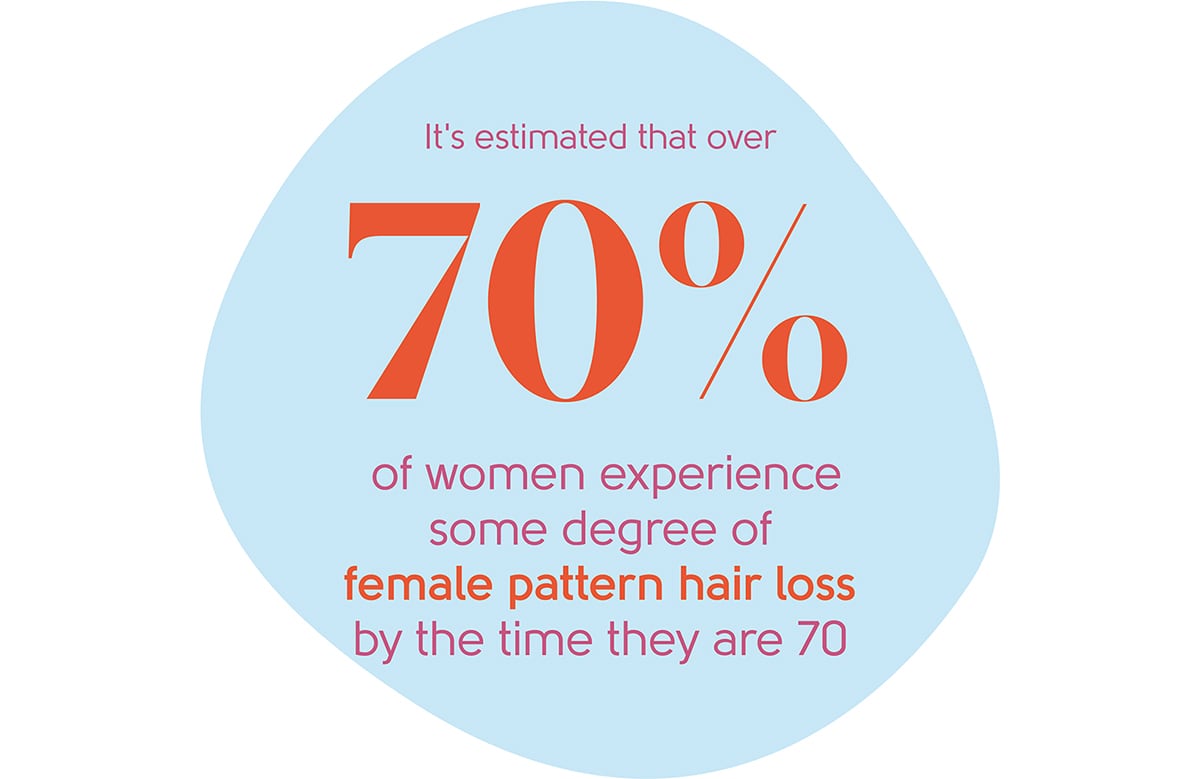
"It's estimated that around 70% of women over the age of 70 experience hair loss," she adds. If you’re struggling with menopause-related hair loss, talk to your doctor or consult with a dermatologist. They can confirm the underlying cause and suggest a treatment plan that works for you. As you journey through menopause, it’s important to be kind to yourself and practice self-love.
Finasteride and spironolactone should not be used by pregnant people or those who may become pregnant. Both drugs alter hormone levels and can cause birth defects or miscarriage. If you have not completed menopause (a full year without a period) use birth control while taking either of these medications. The Calecim hair restoration programme uses stem cell technology to reduce scalp inflammation and restore healthy hair-growth.
“Vivascal and Nutrafol are very popular with my patients,” says Marmur. “There is only anecdotal evidence that these home supplements work, but I still believe in trying a holistic approach to improving your hair,” she says. And the proper amounts of vitamins and minerals will help optimize hair growth and health.
Read more about HRT and the health risks of low hormones here. Thinning hair may occur on the top, front, and sides of the scalp. You may notice more scalp showing where your hair parts and your hair density decreases. In this article we will discuss the causes, symptoms, prevention strategies, and tips to grow thicker, fuller hair. Your doctor might be able to switch you over to another type of medicine without any reported side effects.
Stress hormones and neurotransmitters in the brain affect the hair follicle in terms of inflammation, the microbiome, and mitochondrial function. In addition to the hair shaft reducing in diameter, the growth phase may be affected and more hair breakage may occur. Krista Bennett DeMaio has nearly two decades of editorial experience. The former magazine-editor-turned-freelance writer regularly covers skincare, beauty, health, and lifestyle topics. Her work has appeared in national publications including Oprah, Shape, Parents, Cosmopolitan, Allure, and websites such as HealthCentral.com bhg.com, and prevention.com." At-home smoothing treatments and deep conditioners packed with nourishing oils such as coconut and avocado can soften coarse, brittle strands and help calm frizz, which stems from dehydration.



No comments:
Post a Comment